
Smaller, quicker, cheaper: the New Space Martin Giard
le 12 oct 2018 de11h00à 13h002018/10/12 2018/10/12
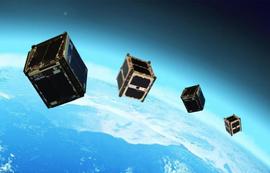
The « New Space » is the name given to what is probably to become the first industrial revolution in space fabrications. Quite similar to the « Ford revolution » which completely transformed the fabrication of automobiles, right now at the beginning of the XXIst century, the fabrication of space launchers and satellites is living its first major transformation. This change owes mainly to the late progress in miniaturisation and artificial intelligence which when used together revolutionize both the way of building hardwares and the performances and agility of those hardwares. The cost reduction associated to those changes in fabrication is very significant, « disrupting » this industrial sector which is now massively invested by succesfull US billionnaires coming from the internet industrial sector: Jeff Bezos (Amazon), Elon Musk (Paypal). This revolution is certainly a high risk for the historically very strong french and european space industries, but it this seminar we will also try to place some perspectives on how it could change fundamental research in space.

